16 Mar 2021 | News
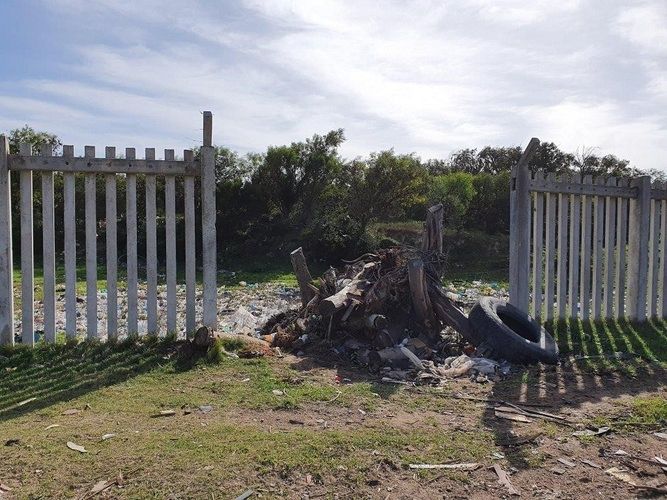
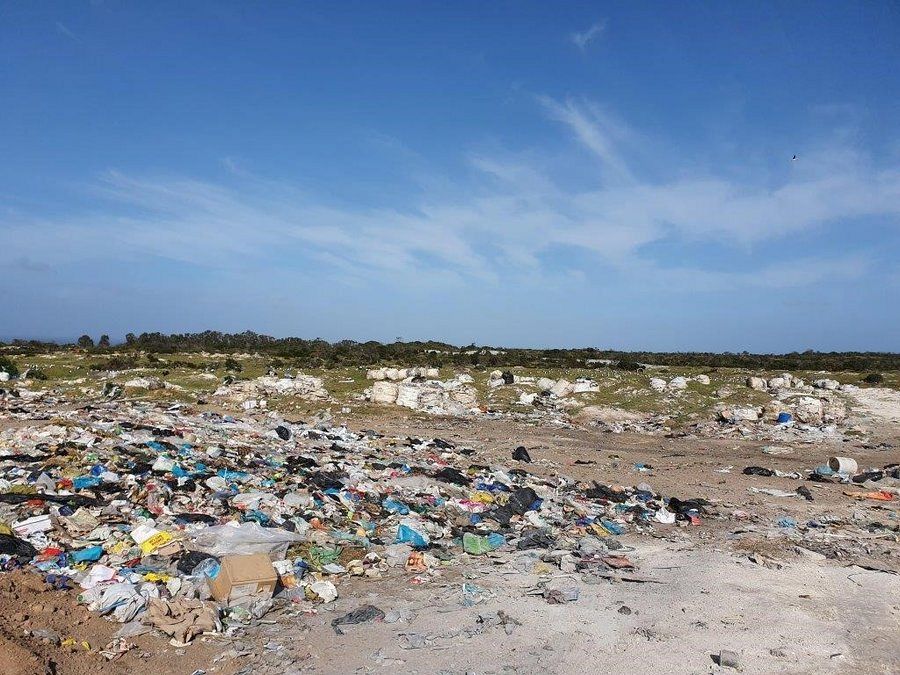
Boundary fence is broken and open like this in many places
First impressions matter! And one of the first impressions that visitors or new arrivals to Nelson Mandela Bay are faced with, is the high level of litter, and a general state of uncleanliness. Is the plastic confetti trapped in thornbushes that line our highways really the best impression we want for our beautiful metro?
When I arrived in Nelson Mandela Bay in 2007 to start a new career and life, the metro was one of the cleaner cities I had visited nationally. Fourteen years later and we have deteriorated dramatically from a clean city to a filthy city.
Waste removal and waste management is the responsibility of the Municipality and is specifically paid for by the rate payers and residents of that particular municipality. The operating model, which I will simplify here for ease of understanding is much the same for most cities in South Africa. The municipal Department of Health is responsible for Waste Management and their job involves;
Together with the above responsibilities they also have a duty to monitor and stop illegal waste dumping, educate residents about ways to reduce waste, drive recycling and work towards more efficient and effective waste removal practices. Waste removal and recycling has become big business, both locally and internationally, and there a myriad of ways in which governments, provinces and cities can adopt new practices to alleviate the financial cost and importantly, the long-term impact of our waste being dumped in our rivers and sea.
As mentioned, it doesn’t take much driving around our city to be reminded that our new “national flower”, the ubiquitous plastic bag stuck on a fence or thornbush is the signal that we are losing the battle against litter. Being an avid water-sports person, which sees me paddling and swimming in the bay on a regular basis, I am constantly horrified by the amount of litter which has been blown into the ocean by the wind. This, together with my regular beach walks, has led me to organise and get involved with a number of beach and river “clean ups”. Organised clean-ups are certainly positive ways in which active residents can help keep our city clean, build a sense of community and educate people first-hand on the harm of litter, but they have limited effectiveness when it comes to stopping the amount of litter entering our oceans and rivers. Stooping the problem at its source through proper waste management on the part of the metro and residents owning their littering, will have huge impact on the proliferation of those plastic bags.
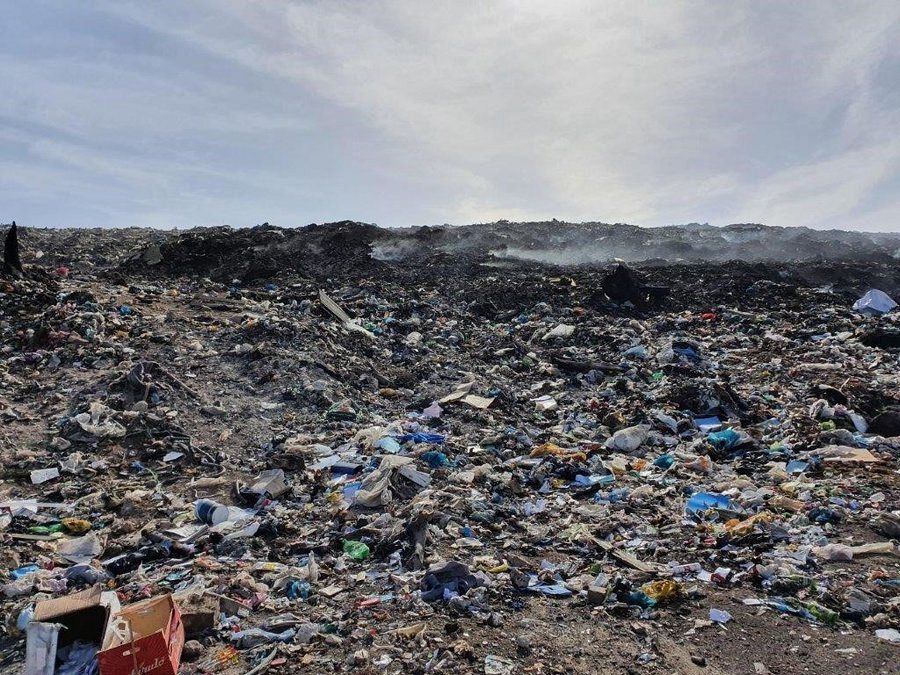
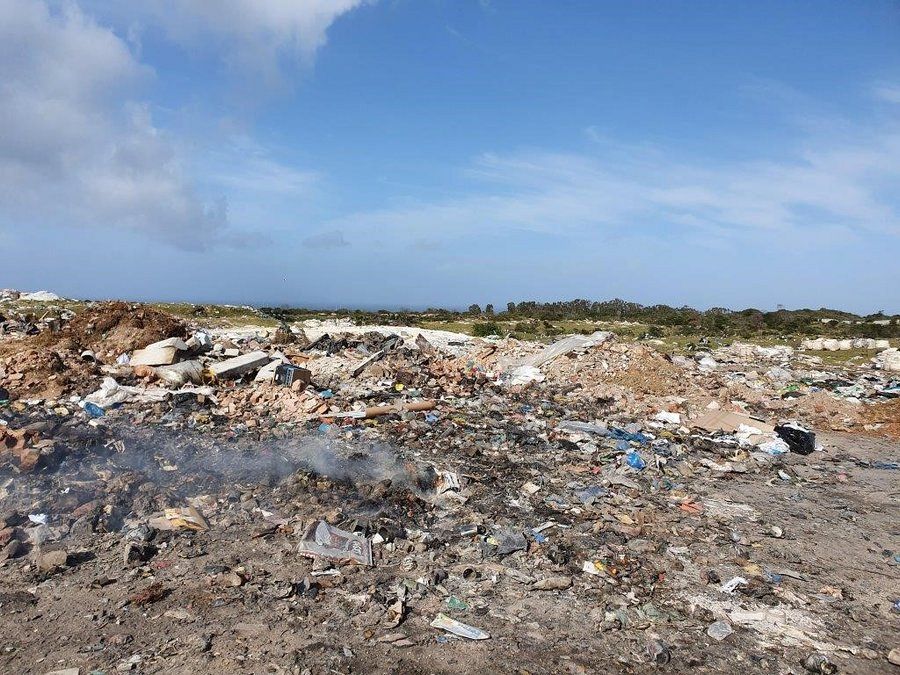
I am also very fortunate to live in a pristine village on the outskirts of Nelson Mandela Bay called Schoenmakerskop. The village’s front door is the Indian Ocean and its back door is a nature reserve – the recipe for an idyllic spot. In the last few years however, this ideal has been tested by the constant smell of burning plastic from Arlington Waste Site which plagues us when the northerly wind blows. I can only imagine how much worse it must be for the adjacent community of Gqeberha, having to breathe and smell those toxic fumes. The ongoing fires at the tip and lack of accountability from the Metro to deal decisively with the hazard, led me and some like-minded people to form Arlington Waste Action Group. In 2020 we formed the group share concerns and mobilise over the running of the waste site. As part of this, we attended an oversight inspection and the annual “Arlington Landfill Site Monitoring Committee meeting” hosted by the current appointed development and audit partner, Zutari. At this meeting we requested a follow-up meeting with the auditing company as we were not satisfied with the feedback at the monitoring meeting. But, we have been given the run-around since August 2020 and are still waiting for this meeting to happen, despite having pushed for it on many, many occasions. We will continue to garner support via social media and word of mouth to apply as much pressure as possible onto the Metro, that they as operators of the site be compelled to meet the terms and conditions they signed as permit holders by the Department of Water Affairs and Forestry in 1997.
Through research we have done around the landfill permit and the current operations within the metro’s structure, it is clear that there are glaring shortfalls and standards have not been met. Research into how other successful cities (nationally and internationally) run their landfill and transfer sites shows that simple changes and fixes would substantially improve the management of waste and even create profit generating opportunities within the waste-management chain.
As an Abantu Integrity Movement (AIM) member and proponent for Nelson Mandela Bay Metro to be governed and run with integrity, I certainly believe that AIM has the necessary ideas and skills to turn the waste management in the city from a liability into an asset. The answer is certainly not to keep plugging holes as they appear and be in continual react-mode to the growing number of waste-management problems faced by the metro. The better way to deal with waste in our metro is to follow a value-chain strategic plan that encompasses collections, transport and transfer of waste in a responsible manner and that ultimately adds value to the residents. Such a plan would include a strong drive on waste education and re-cycling, with the ultimate goal of reducing waste and disposing of waste in a responsible manner to safeguard our pristine bay environment. Our metro has the potential to go from pretending our waste is someone else’s problem, to being world leaders in the zero-waste game – now that’s certainly something I’m willing to put my time and energy into.